
Tips for Working with Gas Fermentation: Mass Transfer and Fermenter Design
In part one of this series, we looked at some of the gas handling challenges that come with scaling gas fermentation, including variable feedstock composition, pretreatment, and the capital costs of compression and conditioning equipment.
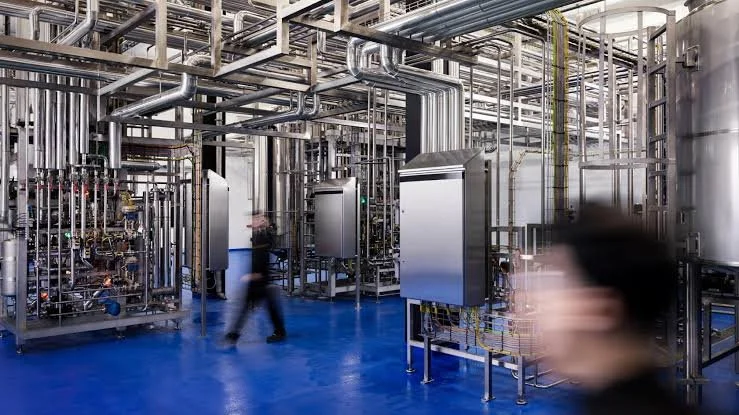
This installment looks at what happens next.
Once gas reaches the fermenter, the challenge becomes getting it into the liquid phase where the microorganisms can actually use it.
Why Mass Transfer Is the Central Design Problem
In traditional fermentation, the substrate is already dissolved in the liquid. But gas fermentation doesn’t have that same luxury.
Instead, getting enough gas into the liquid is often what limits how much product a gas fermentation process can produce in a given reactor.
This is why gas-to-liquid mass transfer is a central part of fermenter design, rather than being an afterthought handled by whatever reactor geometry a facility already has on hand. Sparger design, agitation intensity, gas residence time, and reactor aspect ratio all influence how much gas dissolves before it leaves the vessel unused.
If this isn't designed properly, a plant can end up wasting expensive feed gas or requiring a reactor that is too large to make economic sense.
What This Means for Fermenter and Skid Design
A fermenter designed for a conventional aerobic process may not translate well to gas fermentation.
Oxygen transfer is well understood in these systems, and the equipment is largely standardized. Gas fermentation behaves very differently, with different gas solubilities, reaction kinetics, and potentially corrosive or flammable feed components.
That mismatch tends to show up late, during commissioning, rather than on paper, which makes it one of the more expensive mistakes to catch after the fact.
This is also where mass transfer starts shaping equipment decisions. Reactor size, agitator selection, whether to adapt a standard skid or build a custom one, and how much flexibility to leave for a process that is still being optimized all come back to process engineering.
A skid based on the wrong mass transfer assumptions is more likely to require a rebuild than scale smoothly.
Adapting Equipment to Hit a Scale-Up Deadline
We saw this firsthand on a project for an alternative protein client that needed a 200-liter bioreactor skid delivered within three months to support proof-of-concept work and an active fundraising effort.
With such a short deadline, there wasn't time to design and fabricate new equipment from scratch.
Instead, we sourced a used skid and adapted it with a new control panel and program, working closely with the fabricator to determine which valves, instruments, and piping needed to change for the client's process.
The mass transfer and reactor design questions are still there when the timeline gets shorter. The difference is that they have to be answered much faster. Getting them right at the design stage is what keeps a process moving toward commercial scale instead of back to the lab.
How We Can Help
Next Rung Technology provides engineering, execution, operations, and consulting services to companies developing sustainable technologies, including a range of fermentation platforms — gas fermentation among them. That work spans early-stage road-mapping and techno-economic assessment through full FEL-1/2/3 design support and skid delivery for pilot, demo, and commercial facilities.
If mass transfer performance, fermenter selection, or a skid design decision is the thing standing between your process and its next scale-up milestone, reach out through our contact page.
Stay tuned for the next installment in this series, where we'll look at managing flammable and explosive gas streams in fermentation design. Sign up for our quarterly newsletter to be notified when it's up.
Ready for your free consultation? Let’s talk!
The earlier we start the conversation, the stronger your foundation will be.
Fill out the form below to get started.
